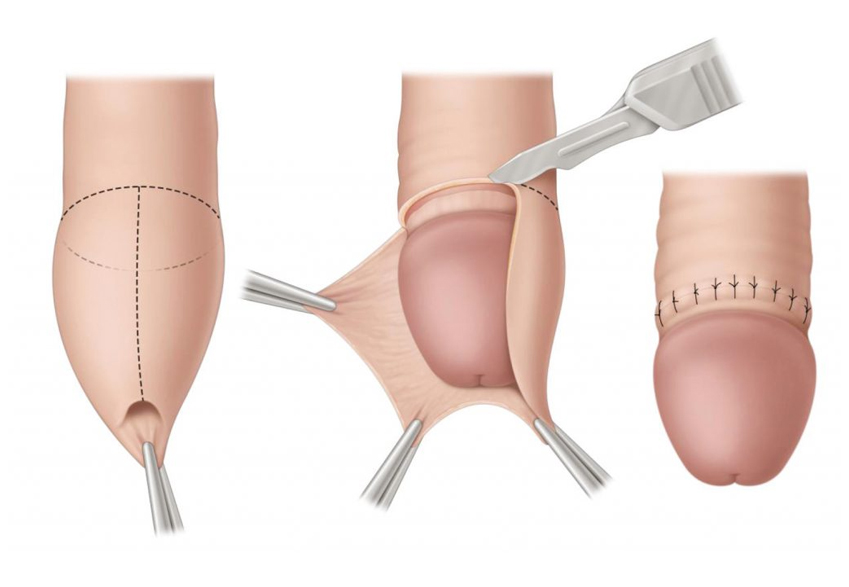
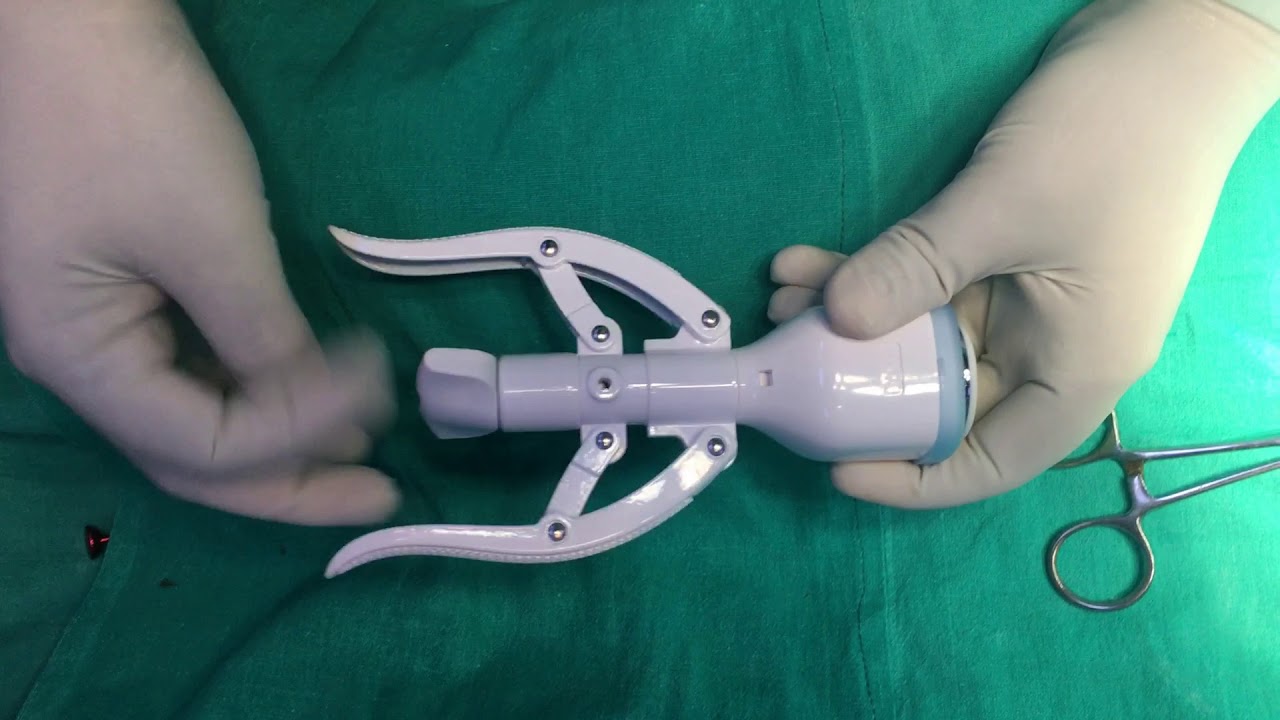
Stapler Circumcision is a modern method for performing circumcision using a disposable stapling device. It is a quick, precise, and minimally invasive technique widely used in clinical practice.
Indications for Stapler Circumcision
- Medical indication
-
Phimosis (inability to retract the foreskin)
-
Paraphimosis (trapped retracted foreskin causing edema)
-
Balanitis xerotica obliterans (BXO) or lichen sclerosus
-
Recurrent balanoposthitis (inflammation of glans and foreskin)
-
Pre-malignant or malignant changes in the foreskin
-
Genital hygiene issues
-
- Cultural or Religious Reasons:
-
Phimosis (inability to retract the foreskin)
-
- Personal Preferences:
-
Aesthetic or sexual preference.
-
Benefits of Stapler Circumcision
- Precision and Consistency:
-
Ensures uniform cutting and suturing, reducing operator variability.
-
- Minimal Bleeding:
-
Integrated stapling mechanism provides hemostasis during the procedure.
-
- Faster Procedure:
-
Typically completed within 10-15 minutes, making it more time-efficient than conventional methods.
-
- Reduced Pain:
-
Minimally invasive technique reduces post-operative pai.
-
- Shorter Recovery Time:
-
Less tissue trauma leads to quicker wound healing (usually within 7-10 days).
-
- Lower Risk of Complications:
-
Reduced chances of infection, edema, and scarring due to precise closure.
-
- Cosmetic Outcomes:
-
Offers better aesthetic results with evenly healed scars.
-
- Ease of Use:
-
Can be performed in outpatient settings under local or regional anesthesia.
-
- Cost-Effectiveness (depending on the setting):
-
Faster recovery and lower complication rates may offset the initial cost of the device.
-
Stapler circumcision is becoming increasingly popular, especially in centers prioritizing efficiency and patient comfort. Proper patient selection and counseling are key to achieving optimal outcomes.